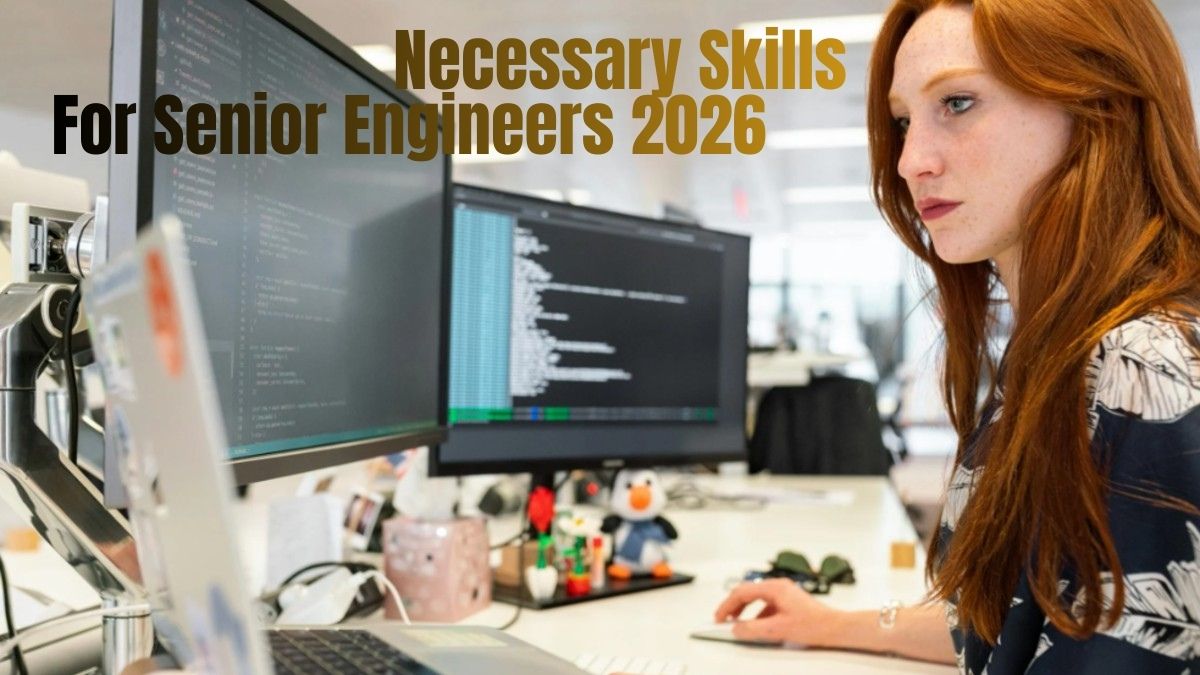
Breaking into a FAANG company as a senior engineer in 2026 requires a very different skill set than it did even three years ago. The hiring bar has shifted. Companies like Google, Meta, Amazon, and Apple are no longer looking for engineers who are simply good at writing code. They want professionals who can lead technical initiatives, communicate complex ideas with clarity, and operate with the kind of ownership mindset that drives real business outcomes.
If you are a mid-level or senior engineer aiming to land a role at one of these companies, understanding exactly which skills matter most will help you focus your preparation and avoid wasting time on things that will not move the needle.
Technical Depth Still Matters, But Differently
Let us start with the obvious. You still need strong technical fundamentals to get through the door at any top tech company. Data structures, algorithms, and system design remain the backbone of the interview process. But at the senior level, the expectation is not just that you can solve problems. Interviewers want to see how you approach problems, how you communicate your reasoning, and how you handle ambiguity when there is no single correct answer.
System design interviews in particular have become the make-or-break round for senior candidates. You need to be comfortable designing systems that handle millions of users, discussing trade-offs between consistency and availability, and explaining your architecture choices in a way that a non-technical stakeholder could follow. This is a skill that takes deliberate practice to develop, and it is very different from the kind of design work most engineers do in their daily jobs.
Many engineers find that working with a mentor who has experience at FAANG companies helps them understand what interviewers are actually evaluating during these rounds. The scoring criteria are specific and well-defined, and knowing what to prioritize can save you weeks of misdirected preparation.
Communication and Influence
One of the biggest skill gaps for engineers trying to move into senior roles at top companies is communication. This is not about giving polished presentations or writing perfect emails. It is about the ability to explain complex technical concepts clearly, advocate for your ideas in design reviews, and influence decisions across teams without relying on formal authority.
At FAANG companies, senior engineers are expected to operate well beyond their own codebase. They participate in cross-team architecture discussions, mentor junior engineers, and represent their team’s technical perspective in broader organizational conversations. If you have spent most of your career heads-down in code without much cross-functional exposure, this is an area that deserves serious attention before you start interviewing.
Practicing these skills in a safe environment, like a mock interview or a mentorship session, helps you build confidence without the pressure of a real evaluation. You can experiment with different ways of framing your ideas and get honest feedback on what is landing and what is not.
Behavioral Competencies That Top Companies Value
Behavioral interviews at FAANG companies are not formalities. They are weighted heavily in the hiring decision, and many technically strong candidates fail because they underestimate these rounds. The competencies these companies evaluate include ownership, bias for action, ability to deal with ambiguity, and willingness to disagree and commit when necessary.
Preparing for behavioral interviews requires building a library of specific stories from your career that demonstrate these qualities. Each story should have clear context, a defined challenge, specific actions you took, and measurable results. Generic answers like “I worked hard and the project succeeded” will not earn you a strong score from a trained interviewer.
This is another area where mock interviews with experienced FAANG interviewers provide enormous value. A trained interviewer can tell you whether your stories are hitting the right signals, whether you are providing enough detail, and whether your answers would score well on the actual rubric used by the company you are targeting.
Leadership Without a Title
You do not need to be a manager to demonstrate leadership at a FAANG company. In fact, many of the most impactful senior and staff engineers at these companies are individual contributors who lead through influence rather than authority. They identify problems before they become crises, propose solutions that align multiple teams, and take ownership of outcomes even when the path forward is unclear.
If you want to stand out as a senior candidate, start building this muscle now. Volunteer to lead a cross-team initiative at your current company. Write a technical proposal that addresses a problem outside your immediate scope. Mentor a junior engineer and help them grow. These experiences build the kind of leadership evidence needed for promotion and also give you concrete stories to share during behavioral interviews.
Working with an experienced career mentor can help you identify the specific leadership gaps in your profile and create a plan to address them before you start applying. Platforms like BeTopTen connect you with professionals from top tech companies who can provide this kind of targeted, personalized guidance based on their own experience navigating the same career transitions.
Building a Preparation Strategy That Works
The biggest mistake engineers make when preparing for FAANG interviews is treating it as a purely technical exercise. Yes, you need to practice coding and system design. But you also need to prepare your behavioral stories, refine your communication style, and develop a clear narrative about your career that explains why you are ready for the next level.
A structured preparation plan that spans 8 to 12 weeks and covers all of these areas will give you the best chance of success. Start with a skills gap analysis to identify your strongest and weakest areas. Allocate more time to the areas where you have the most room for improvement. Schedule regular mock interviews to track your progress and adjust your plan based on the feedback you receive.
If you are not sure where to start or how to structure your preparation, a single session with a mentor who has been through the process can save you significant time and help you avoid common pitfalls that derail otherwise strong candidates.
Sharing Your Knowledge With Others
As you develop these skills and advance in your career, consider the value of helping others who are on the same path. Mentoring is one of the most effective ways to reinforce your own knowledge, sharpen your leadership abilities, and build a professional reputation that extends beyond your current workplace.
If you are already working at a top tech company and want to help engineers who are earlier in their careers, you can become a mentor on BeTopTen and share the insights that helped you get to where you are. It is a rewarding way to contribute to the engineering community while continuing to grow as a professional.
The Bottom Line
Breaking into FAANG in 2026 requires more than technical skills. It demands a combination of system design expertise, strong communication, leadership behaviors, and structured interview preparation. The engineers who invest in developing all of these areas, not just the technical ones, are the ones who consistently receive offers from the companies they are targeting.
The good news is that every one of these skills can be developed with the right guidance and deliberate practice. The professionals who operate in the top 10% of the tech industry got there by being intentional about their growth. If you are willing to put in the same effort, there is no reason you cannot join them.