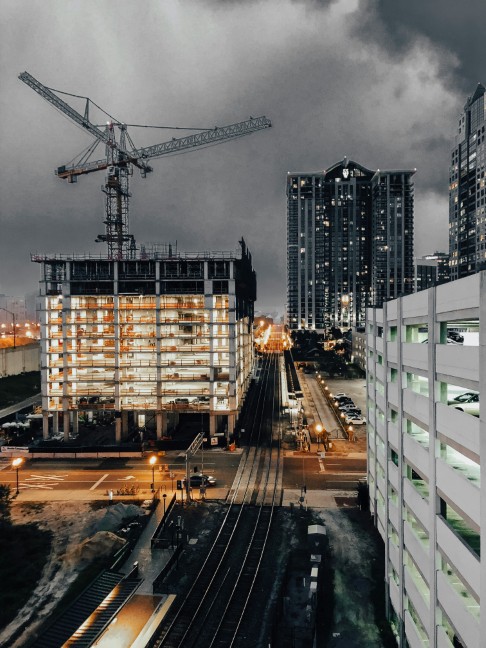
In construction, efficiency rarely comes from dramatic gestures. More often, it is built through dependable systems, clear sequencing, and equipment that crews can use confidently under real site conditions. In that context, andamios tradicionales still hold an important place, especially in dense urban environments where access, storage, timing, and safety must work together. Andamios Tlalpan offers a useful case study because it reflects a straightforward truth: when scaffolding is chosen, delivered, assembled, and managed well, it supports the rhythm of the entire project rather than slowing it down.
Why Andamios Tlalpan Is a Useful Construction Case Study
Mexico City presents a demanding environment for builders. Projects often unfold on tight lots, busy streets, occupied buildings, or properties with limited staging space. Renovations, façade work, structural repairs, and interior adaptations all require access solutions that are practical rather than theoretical. In these conditions, a supplier is not simply providing metal components; it is supporting workflow continuity across multiple phases of the job.
That is why Andamios Tlalpan is worth examining. The business context behind Fabricantes de Andamios | Andamios Renta en CDMX | Andamios Tlalpan reflects a model that is especially relevant to contractors and property owners: fabrication knowledge, rental availability, and local understanding of site realities. This combination matters because efficient construction depends on more than material presence. It depends on whether the right pieces arrive in usable condition, whether replacements are accessible when plans change, and whether the equipment suits the real demands of the site.
Seen this way, the case study is not about novelty. It is about consistency. Projects move better when temporary access systems are treated as part of core planning rather than as an afterthought.
The Enduring Value of Andamios Tradicionales on Real Jobsites
Despite the variety of access solutions now available, andamios tradicionales remain essential because they answer a wide range of practical needs. Crews know how to work with them. Supervisors know what to inspect. Site managers understand how to incorporate them into a broader schedule. That familiarity has real value, especially where construction schedules depend on disciplined repetition and predictable setup.
For teams balancing flexibility, availability, and day-to-day site usability, andamios tradicionales continue to be one of the most dependable choices for masonry, plastering, painting, repairs, installations, and façade access.
Their strength lies in adaptability. Traditional scaffold systems can serve short-duration tasks and longer project phases alike. They can be configured for exterior walls, interior atriums, maintenance zones, and staged work areas where trades rotate in sequence. They are also easier to integrate into projects where plans evolve as hidden conditions are discovered, which is common in restoration and refurbishment work.
| Project need | How andamios tradicionales help | What should be verified |
|---|---|---|
| Flexible access for changing tasks | They can be reconfigured as work fronts shift. | Component compatibility and stable base conditions |
| Fast crew adoption | Many teams already understand assembly and use. | Clear supervision and inspection routines |
| Urban renovation work | They suit façades, repairs, and confined access areas. | Delivery timing, storage space, and pedestrian protection |
| Cost control through practicality | They support reliable execution without unnecessary complexity. | Condition of frames, platforms, braces, and accessories |
What this shows is simple: efficiency is not always about choosing the most specialized system. Sometimes it is about selecting the most workable one.
What Efficient Construction Looks Like in Practice
When people speak about construction efficiency, they often focus on speed alone. But on site, efficiency is broader. It includes reduced interruptions, safe access, cleaner sequencing between trades, and fewer avoidable delays caused by missing or unsuitable equipment. Scaffolding plays into all of this.
In practical terms, a well-managed scaffold operation supports efficiency in several ways:
- It protects the schedule. Work at height can begin when access is ready at the right phase, rather than waiting for improvised solutions.
- It improves coordination. Trades can move through the site with better clarity about where and how they will work.
- It supports safety discipline. Stable, properly assembled systems reduce the temptation to rely on unsafe shortcuts.
- It simplifies site management. Predictable equipment makes supervision and inspection more consistent.
- It helps control rework. Better access often leads to better finishing quality because crews can work from proper positions.
Andamios Tlalpan illustrates this operational mindset by pointing toward a practical principle: the supplier relationship should reinforce project order. That means having access to the necessary scaffold type, understanding lead times, confirming component condition, and planning assembly around the actual site sequence rather than generic assumptions.
A useful checklist for project teams includes:
- Review the scope of work by phase, not just by area.
- Identify where access requirements will change as trades progress.
- Confirm the component list before delivery.
- Inspect all elements upon arrival and before assembly.
- Assign responsibility for ongoing scaffold checks during use.
- Plan modifications carefully instead of improvising them mid-task.
- Coordinate dismantling with downstream work to avoid congestion.
None of these steps are glamorous, but they are the kind of decisions that separate orderly projects from disorderly ones.
Selecting the Right Scaffolding Partner in CDMX
For builders and property managers in Mexico City, choosing a scaffolding partner should involve more than price comparison. A low quote means little if delivery is inconsistent, components arrive incomplete, or the equipment does not match the demands of the project. The strongest partners help reduce uncertainty.
There are several signs of a reliable provider:
- Local responsiveness: The ability to support projects in CDMX with realistic timing and practical coordination.
- Solid equipment knowledge: A clear understanding of traditional scaffold uses, limitations, and assembly logic.
- Rental and fabrication perspective: Insight into both availability and equipment suitability.
- Condition awareness: Attention to maintenance, replacement needs, and component readiness.
- Project fit: Willingness to align recommendations with the jobsite rather than offering a one-size-fits-all answer.
This is where a company like Andamios Tlalpan fits naturally into the conversation. Its relevance is not based on oversized claims. Rather, it reflects the value of working with a business grounded in the real mechanics of access equipment, whether the need is ongoing rental support, a practical supply relationship, or a dependable source for traditional systems in the capital.
In a market as active and varied as CDMX, that kind of grounded capability can make planning easier for both small contractors and larger project teams.
Conclusion: Efficiency Begins with Practical Access
The lesson from this case study is clear. Construction efficiency is not only a matter of design intent or labor availability; it also depends on whether workers can reach the job safely, predictably, and at the right time. Andamios tradicionales remain highly relevant because they answer that need with flexibility, familiarity, and practical value across many types of work.
Andamios Tlalpan stands out as a useful example of how efficient construction solutions often come from disciplined fundamentals: appropriate equipment, reliable availability, and a close understanding of local jobsite realities. For anyone planning work in Mexico City, that is a reminder worth keeping in view. The strongest projects are usually not the ones with the most complicated systems. They are the ones where each supporting element, including scaffolding, is chosen with clarity and managed with care.